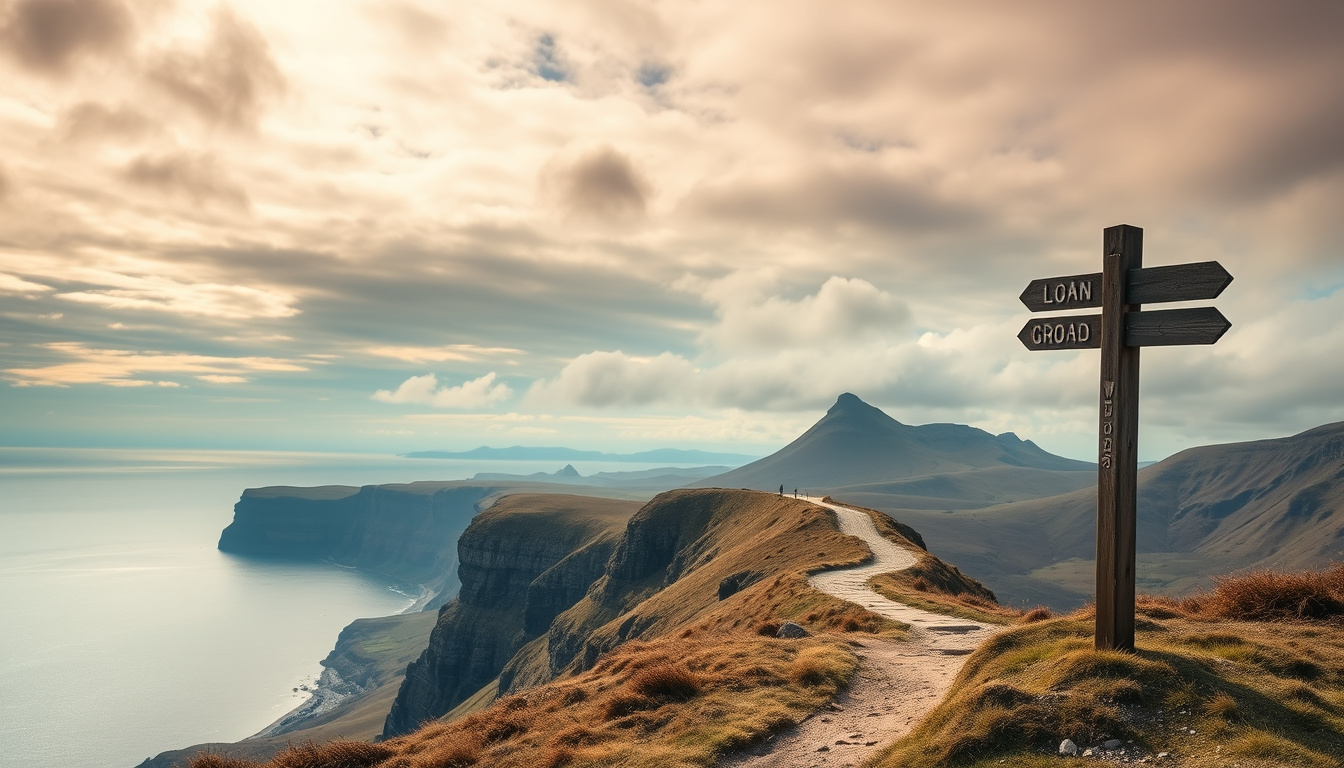
Land’s End to John o’ Groats represents one of Britain’s most celebrated endurance challenges, tracing a path across the entire length of the island from Cornwall’s southwestern tip to the northernmost point of mainland Scotland. The journey covers approximately 839 to 880 miles depending on the specific route chosen, making it the longest distance between two inhabited points on the British mainland. This iconic challenge attracts hundreds of participants annually, ranging from elite cyclists seeking record times to recreational riders pursuing personal milestones.
First attempted over 150 years ago, the Land’s End to John o’ Groats route has evolved into a bucket-list adventure for outdoor enthusiasts across multiple disciplines. Whether completed by bicycle, on foot, or by motor vehicle, the journey demands careful planning, physical preparation, and resilience against Britain’s unpredictable weather conditions. The challenge encompasses roughly 34,626 feet of elevation gain and passes through two notable mountain ranges, adding substantial difficulty to an already demanding route.
How Far is Land’s End to John o’ Groats?
The distance between Land’s End and John o’ Groats varies depending on the specific route taken, but cyclists typically cover between 841 and 874 miles. The route does not amount to exactly 1,000 miles despite what many might assume, with the actual distance falling comfortably short of that figure. Different route choices, from coastal roads to inland alternatives, can result in variations of 30 to 40 miles between the shortest and longest options.
841-874 miles (cycling)
10-14 days (recreational)
High (hills, weather)
34,626 feet
- The route is approximately 874 miles for most cyclists following popular paths
- No official single route exists, allowing riders to customize their journey
- Two notable mountains punctuate the journey across Britain
- Official records use specific measured courses to ensure fair competition
- Variations of 30-40 miles exist between shortest and longest route options
- Coastal routes tend to be longer but more scenic than inland alternatives
- The actual distance falls well short of the commonly assumed 1,000 miles
| Mode of Travel | Approximate Distance | Record Time |
|---|---|---|
| Cycle (standard) | 841-874 miles | 43h 25m 13s |
| Run | 840 miles | 9+ days |
| Drive | 837 miles | 12+ hours |
| Tandem Cycle | 841 miles | 45h 11m |
| Brompton (folding bike) | 841 miles | 83 hours |
How Long Does it Take to Cycle Land’s End to John o’ Groats?
The time required to cycle from Land’s End to John o’ Groats depends heavily on the rider’s experience level, fitness, and the approach taken. Elite cyclists have completed the route in under two days, while recreational riders typically allocate 10 to 14 days to complete the journey comfortably. The average speed during record attempts reaches approximately 19.4 miles per hour, a pace that requires exceptional fitness and optimal conditions to maintain.
Typical Duration for Different Rider Types
Experienced endurance cyclists who maintain a structured training regimen often complete the route in 7 to 10 days, averaging between 60 and 80 miles daily. These riders typically follow a disciplined schedule that balances riding time with adequate rest and recovery. Weather conditions can significantly impact daily progress, with strong headwinds or heavy rain potentially halving the effective mileage achievable in a single day.
Recreational cyclists approaching the challenge with a focus on enjoying the scenery and personal achievement generally require 10 to 14 days. This pace allows for shorter daily distances of 40 to 60 miles, with time built in for exploring towns, recovering from fatigue, and accommodating less favorable riding conditions. Many riders in this category stay in bed and breakfast accommodation along the route, treating the journey as a touring experience rather than a race.
Walking and Driving Alternatives
Walking the entire distance requires substantially more time, with most through-hikers budgeting 4 to 6 weeks to complete the journey on foot. Running the route presents an extreme endurance challenge, with the fastest documented time standing at just over 9 days, though that record has faced verification concerns. The first fully verified self-supported running record belongs to Dan Driver, who completed the route in approximately 17 days.
Driving from Land’s End to John o’ Groats covers approximately 837 miles and can be completed in 12 to 14 hours under normal traffic conditions. However, most drivers undertaking the journey as a road trip allocate 2 to 3 days to allow for sightseeing and breaks. The driving route differs from cycling paths, as it utilizes the major road network rather than smaller country lanes.
Most successful LEJOG cyclists aim for 60-70 miles per day during the main riding phase, with shorter days built in for mountainous sections. Building in rest days every 3-4 days helps maintain energy levels and reduces the risk of injury over the extended duration of the journey.
What is the Best Route from Land’s End to John o’ Groats?
No single official route exists for Land’s End to John o’ Groats, allowing cyclists to choose paths that suit their preferences and abilities. The most popular option follows the National Cycle Network where possible, incorporating dedicated cycling paths and quieter B-roads. Route selection significantly impacts both the total distance covered and the elevation challenge encountered throughout the journey.
Northern England and Scotland Route Options
The northern portion of the journey presents the greatest physical challenge, with two notable mountain ranges requiring significant climbing effort. The total elevation gain of 34,626 feet is concentrated primarily in these northern sections, where riders face sustained gradients and unpredictable weather. Many cyclists choose to tackle these climbs in the morning when energy levels are highest, saving easier terrain for afternoon riding.
The Scottish Highlands section offers dramatic landscapes but requires careful planning regarding accommodation availability and service stations. Facilities become sparse north of Inverness, making it essential to carry sufficient supplies and plan resupply points in advance. Mobile phone coverage can be unreliable in remote areas, particularly in valleys and mountain passes.
Planning Tools and Resources
Modern cyclists benefit from GPS route planning tools and community-shared routes available through platforms like Strava. The Ordnance Survey provides detailed mapping resources specifically tailored to long-distance cycling routes across Britain. Local tourism boards in both England and Scotland offer regional route suggestions and updates on road conditions that may affect journey planning.
Cycling organizations maintain comprehensive guides that address practical considerations including safe road crossings, construction detours, and seasonal variations in route conditions. These resources prove invaluable for first-time LEJOG riders who may be unfamiliar with the specific challenges posed by different regions of the route.
What are the Cycling Records for Land’s End to John o’ Groats?
The Land’s End to John o’ Groats cycling record is governed by the Road Records Association, which maintains strict verification standards for all attempts. Fewer than 30 successful record attempts have been officially documented since the association began regulating the challenge. The current men’s record stands as a testament to the extreme demands of unsupported end-to-end cycling at the highest level.
Official Men’s Record
Michael Broadwith set the officially ratified men’s cycling record in June 2018, completing the 841-mile route in 43 hours 25 minutes and 13 seconds. His achievement surpassed a long-standing record of 44 hours 4 minutes 19 seconds set by Gethin Butler in 2001, which had been considered unbeatable for nearly two decades. Broadwith maintained an average speed of 19.4 miles per hour throughout the attempt, with an average power output of approximately 230 watts on flat sections.
Specialized Category Records
Beyond the standard bicycle category, numerous specialized records showcase the diversity of Land’s End to John o’ Groats achievements. James Stannard set the fastest known time on a Brompton folding bike in July 2022, completing the unsupported journey in 83 hours and eclipsing the previous record by over two days. His achievement required navigating diverse weather conditions including heatwaves and heavy rain throughout the 83-hour ordeal.
Dom Irvine and Charlie Mitchell broke a 49-year-old tandem record in 2015, finishing in 45 hours 11 minutes. The triplet bicycle record belongs to brothers Fergus and James Gilmour along with Harry Fildes, who completed the route in 6 days 13 hours and 30 minutes in 2019 while raising funds for charity. Perhaps most remarkably, Alex Menarry, nearly 86 years old, established the record for the oldest male cyclist to complete Land’s End to John o’ Groats, finishing in 17 days.
The Road Records Association requires independent witness verification, GPS tracking data, and adherence to specific route parameters for official record recognition. Self-reported attempts without corroborating evidence may be noted but typically cannot receive official ratification.
Best Time of Year and Costs for Land’s End to John o’ Groats Cycle
The optimal period for cycling Land’s End to John o’ Groats spans from late spring through early autumn, with May through September offering the most favorable weather conditions. Summer months provide the longest daylight hours, allowing for extended daily riding time, though this period also coincides with peak tourist season at popular locations along the route. Spring and early autumn present a balance of reasonable weather with fewer crowds, though riders must be prepared for more variable conditions.
Cost Considerations
The total cost of completing Land’s End to John o’ Groats varies significantly based on accommodation choices, food requirements, and whether the journey is self-supported or supported by a following vehicle. Budget-conscious cyclists completing the route over two weeks can expect to spend between £1,500 and £2,500, covering accommodation in budget establishments, food, and basic equipment needs. Those choosing more comfortable accommodation and dining options regularly may find costs exceeding £3,500.
Equipment costs present a substantial initial investment for those without suitable bicycles and gear. A reliable touring or endurance road bike suitable for the challenge costs between £1,000 and £5,000 depending on quality and specifications. Additional essential equipment including panniers, waterproof clothing, spare parts, and navigation tools can add £500 to £1,000 to the upfront investment. Self-supported riders should budget approximately £30 to £50 per day for accommodation and food while on the road.
Historical Milestones of the Land’s End to John o’ Groats Challenge
- Late 1800s: The first recorded attempt between the two landmarks occurs, establishing the challenge over 150 years ago.
- 1930s: Motorized attempts and early organized cycling challenges bring increased attention to the route.
- 2001: Gethin Butler sets a record time of 44 hours 4 minutes 19 seconds, considered unbeatable for 17 years.
- 2015: Dom Irvine and Charlie Mitchell break the tandem record after 49 years.
- June 2018: Michael Broadwith establishes the current men’s record at 43 hours 25 minutes 13 seconds.
- July 2018: Idai Makaya completes the double route (LEJOGLE) covering 1,720 miles on an ElliptiGO.
- July 2022: James Stannard sets the Brompton folding bike record at 83 hours unsupported.
Andrew Rivett’s claimed run time of 9 days 2 hours 26 minutes (May 2002) remains disputed due to verification concerns. For running records, Dan Driver’s approximately 17-day self-supported completion stands as the first verified achievement in this category.
Established Facts and Areas of Uncertainty
| Established Information | Areas of Uncertainty |
|---|---|
| Distance ranges from 839-880 miles depending on route | Exact distance varies based on path taken |
| Elevation gain totals approximately 34,626 feet | Precise elevation varies between route options |
| Official men’s cycling record: 43h 25m 13s (2018) | Weather conditions can significantly impact any attempt |
| First recorded journey occurred over 150 years ago | Specific details of earliest attempts remain unclear |
| Two notable mountains feature on the route | Mountain selection depends on specific route chosen |
Why the Land’s End to John o’ Groats Challenge Endures
The enduring appeal of Land’s End to John o’ Groats stems from its unique combination of physical challenge, scenic diversity, and symbolic significance. Traversing the entire length of Britain represents a tangible achievement that connects riders with centuries of travelers who have made the same journey for various reasons. The route passes through radically different landscapes, from the coastal cliffs of Cornwall through the rolling hills of Wales and northern England to the dramatic highlands of Scotland.
The challenge has become deeply embedded in British cycling culture, with thousands of riders sharing their experiences through blogs, social media, and community forums. This collective knowledge has made the journey increasingly accessible to first-time participants while maintaining its status as a meaningful accomplishment for experienced endurance athletes. Charity organizations have embraced the challenge as a fundraising vehicle, adding a philanthropic dimension that motivates many riders to undertake the journey.
For many riders, the planning and preparation phase becomes almost as rewarding as the journey itself, fostering a deeper appreciation for the geography and communities along the route. The challenge attracts people from all backgrounds and ages, demonstrating that the journey can be tailored to individual capabilities and goals. Whether completed as a race against the clock or a leisurely touring adventure, Land’s End to John o’ Groats remains a defining achievement in British outdoor pursuits.
Sources and Further Reading
“The Road Records Association regulates official LEJOG records, with fewer than 30 successful attempts documented throughout history.”
— LEJOG Official Documentation
Key organizations providing authoritative information on Land’s End to John o’ Groats include the Cycling UK, which offers comprehensive route guides and practical advice for long-distance cycling. The Ordnance Survey provides detailed mapping resources essential for navigation, while Visit Scotland offers specific guidance for the Scottish portion of the route.
Community platforms such as Strava host user-submitted routes that reflect real-world experiences from thousands of previous riders. Official government resources including National Cycle Routes documentation provide guidance on safe cycling infrastructure along the route.
Summary: Key Takeaways for Land’s End to John o’ Groats
Land’s End to John o’ Groats encompasses approximately 841 to 874 miles of cycling terrain, making it the longest route between two inhabited points on the British mainland. The journey requires careful planning regardless of whether participants aim for a record attempt or a leisurely touring experience. Recreational cyclists typically complete the route in 10 to 14 days, while elite riders have achieved times under 44 hours. The current men’s cycling record of 43 hours 25 minutes 13 seconds was set by Michael Broadwith in June 2018.
For those considering the challenge, late spring through early autumn offers the most favorable conditions, with May through September providing the best balance of weather and daylight hours. Budget planning should account for £1,500 to £3,500 depending on accommodation standards and support arrangements. The historical significance of the challenge, combined with its physical demands and scenic rewards, ensures its continued appeal among outdoor enthusiasts. Further guidance on related topics can be found in our preparation resources.
Frequently Asked Questions
What is Land’s End to John o’ Groats?
Land’s End to John o’ Groats (LEJOG) is the longest route between two inhabited points on the British mainland, covering approximately 841-874 miles from Cornwall to Scotland. It represents a celebrated endurance challenge completed by hundreds of cyclists, runners, and drivers annually.
Is Land’s End to John o’ Groats exactly 1000 miles?
No, Land’s End to John o’ Groats is not exactly 1000 miles. The actual distance ranges from approximately 839 to 880 miles depending on the specific route taken, falling comfortably short of the commonly assumed 1000-mile figure.
How long does it take to drive Land’s End to John o’ Groats?
Driving the route covers approximately 837 miles and can be completed in 12 to 14 hours under normal conditions. Most drivers allocate 2 to 3 days to allow for sightseeing and breaks along the way.
Can you walk Land’s End to John o’ Groats?
Yes, walking the entire distance is possible. Most through-hikers budget 4 to 6 weeks to complete the journey on foot, following established footpaths and public rights of way where available.
What is the elevation gain for Land’s End to John o’ Groats?
The route includes approximately 34,626 feet of elevation gain, with two notable mountains punctuating the journey. The most demanding climbing occurs in northern England and Scotland.
How much does it cost to cycle Land’s End to John o’ Groats?
Budget-conscious cyclists should plan for £1,500 to £2,500 covering 10-14 days of accommodation and food. Those preferring more comfortable options may spend £3,500 or more. Equipment costs add £1,000 to £5,000 depending on bicycle and gear quality.
When is the best time of year to cycle Land’s End to John o’ Groats?
May through September offers the most favorable conditions, with summer providing the longest daylight hours. Spring and early autumn typically feature fewer tourists but more variable weather conditions.
Related stories





Chris O'Brien covers Canadian startups, AI developments and innovation policy for BuzzLayer.