Harry Potter and the Order of the Phoenix stands as the longest book in J.K. Rowling’s beloved fantasy series, marking a significant turning point in Harry’s journey as he confronts institutional resistance while facing his most personal loss yet. Published in 2003, the fifth installment deepens the magical world’s mythology while exploring darker themes of government corruption and grief. The story follows Harry’s turbulent fifth year at Hogwarts, where the Ministry of Magic wages a campaign to discredit him while a resurrected Voldemort grows stronger.
What Is Harry Potter and the Order of the Phoenix About?
The narrative begins during summer vacation when Dementors attack Harry and his cousin Dudley in Little Whinging. Harry defends himself using the Patronus Charm, an act that results in expulsion proceedings from Hogwarts. Dumbledore intervenes to have the charges dismissed, allowing Harry to return to school. Following these events, Harry joins the Order of the Phoenix, a secret organization led by Dumbledore that fights Voldemort and his Death Eaters.
At Hogwarts, the Ministry of Magic installs Dolores Umbridge as the new Defence Against the Dark Arts professor. Under Minister Cornelius Fudge’s direction, Umbridge becomes increasingly authoritarian, eventually seizing control as headmistress. The Ministry simultaneously conducts a smear campaign denying Voldemort’s return and portraying Harry as a liar seeking attention.
The Ministry’s denial of Voldemort’s return stems from Fudge’s fear that acknowledging the truth would require admitting his administration’s failures in protecting the wizarding world.
In response to Umbridge’s ineffective teaching and the genuine threat looming, Harry, Hermione, and Ron organize Dumbledore’s Army—a secret group of students who meet in the Room of Requirement to learn practical Defence Against the Dark Arts. When Umbridge discovers this unauthorized organization, Dumbledore takes full responsibility and resigns as headmaster, forcing the students to continue their training covertly.
The climax centers on a vision Harry receives showing his godfather Sirius Black being tortured at the Ministry of Magic. Harry and his friends rush to rescue him, only to discover the vision was a trap orchestrated by Voldemort, who seeks a prophecy sphere containing information about Harry’s connection to the dark lord. During the subsequent battle with Death Eaters, the prophecy sphere is destroyed, and Bellatrix Lestrange kills Sirius Black using the killing curse.
The prophecy stored in the Department of Mysteries foretold that either Harry or Voldemort would die at the hand of the other, establishing the central conflict that drives the remaining books in the series.
Dumbledore’s Army Members
The secret group organized by Harry included several students who would become crucial allies throughout the series. Beyond Harry Potter, Hermione Granger, and Ron Weasley, the founding members consisted of:
- Neville Longbottom, who demonstrated surprising courage and aptitude for Defence Against the Dark Arts
- Luna Lovegood, whose creative approach to magic proved valuable in combat situations
- Ginny Weasley, Ron’s younger sister who showed particular skill with the Bat-Bogey Hex
- Dean Thomas and Seamus Finnigan from Gryffindor
- Fred and George Weasley, whose later spectacular departure from Hogwarts provided crucial distraction
The Death of Sirius Black
Sirius Black’s death at the hands of his cousin Bellatrix Lestrange represents the novel’s most devastating loss. Harry witnesses the killing from across the veil in the Department of Mysteries, unable to save his godfather despite his desperate attempts. This tragedy marks the first major death Harry experiences involving someone he loved and trusted completely, fundamentally altering his character trajectory and deepening his resolve against Voldemort.
The death occurs during the Battle of the Department of Mysteries, where Death Eaters had laid siege to Harry and his friends after luring them with the false vision of Sirius.
| Fact | Detail |
|---|---|
| Genre | Fantasy, Young Adult Fiction |
| Author | J.K. Rowling |
| UK Publisher | Bloomsbury Publishing |
| US Publisher | Scholastic Corporation |
| Publication Date | June 21, 2003 (UK and US) |
| UK Page Count | 870 pages (adult edition) |
| Series Position | Fifth book (Harry Potter #5) |
| Movie Director | David Yates |
| Movie Premiere | July 11, 2007 |
| Global Sales | 65+ million copies worldwide |
When Was Harry Potter and the Order of the Phoenix Published?
Harry Potter and the Order of the Phoenix was published simultaneously in the United Kingdom and United States on June 21, 2003, following the pattern established with the previous book. The UK edition appeared through Bloomsbury Publishing in multiple formats, including a standard edition, a gift edition, and a special edition with illustrations. Scholastic Corporation handled the US release through their various imprints.
At 870 pages in the UK adult edition, the book holds the distinction of being the longest in the Harry Potter series, significantly exceeding the previous installment Goblet of Fire. This substantial length allows for extensive character development and world-building, with detailed explorations of the Ministry of Magic’s inner workings and the formation of the Order itself.
How Long Is the Book?
The page count varies between editions and regions. The US edition runs slightly shorter at 652 pages in the paperback format, while the UK adult hardcover spans 870 pages. Children’s illustrated editions in both regions fall somewhere between these figures, with modified typography to accommodate younger readers. Audiobook versions, narrated by Jim Dale for US releases and Stephen Fry for UK releases, span approximately 26-27 hours of listening time.
What Is the Order of the Phoenix?
The Order of the Phoenix is a secret organization founded by Albus Dumbledore following Voldemort’s first defeat in 1981. Its primary purpose involves combating the dark forces represented by Voldemort and his followers, the Death Eaters. The group operates from headquarters located at 12 Grimmauld Place in London, the ancestral home of the Black family that Sirius Black inherited.
Following Voldemort’s return at the end of Goblet of Fire, the Order reactivates and expands its operations. Dumbledore coordinates efforts to protect Harry Potter, who has become a target due to the prophecy linking him to Voldemort’s ultimate fate. Members take shifts guarding the prophecy in the Department of Mysteries while maintaining surveillance on known Death Eaters.
Who Are the Main Characters?
The novel features an extensive cast of characters spanning multiple factions within the wizarding world. Harry Potter serves as the protagonist, navigating his fifth year at Hogwarts while bearing the weight of the prophecy and the Ministry’s hostility toward him.
Albus Dumbledore, as headmaster of Hogwarts and leader of the Order, provides guidance and protection for Harry while managing the broader conflict with Voldemort. His resignation following Umbridge’s discovery of Dumbledore’s Army forces him into hiding, complicating Harry’s situation significantly. For additional context on Harry’s previous adventures and the development of his friendships, readers may find the All Her Fault Episodes – Complete Guide and Summaries page useful as a reference for understanding complex character dynamics in extended narratives.
- Harry Potter – The protagonist targeted by Voldemort, forming the centre of the prophecy
- Albus Dumbledore – Hogwarts headmaster and leader of the Order of the Phoenix
- Sirius Black – Harry’s godfather and member of the Order, later killed by Bellatrix
- Hermione Granger and Ron Weasley – Harry’s loyal friends who help organize Dumbledore’s Army
- Dolores Umbridge – Ministry appointee who becomes Hogwarts High Inquisitor and later headmistress
- Lord Voldemort – The primary antagonist seeking the prophecy
- Bellatrix Lestrange – Death Eater responsible for Sirius’s death
- Neville Longbottom, Luna Lovegood, Ginny Weasley – Key members of Dumbledore’s Army
What Are the Differences Between the Book and Movie?
The 2007 film adaptation directed by David Yates condenses the novel’s extensive plot into approximately two and a half hours, necessitating significant cuts and modifications. While the film captures the essential narrative arc, numerous subplots and character moments from the book do not appear in the theatrical release.
Key Omissions from the Film
The movie omits several substantial sequences present in the novel. The full Quidditch matches receive abbreviated treatment, and the intricate details of Harry’s Occlumency lessons with Professor Snape appear only briefly. These scenes, which develop both plot and character relationships in the book, contribute to a faster-paced but less immersive experience.
Fred and George Weasley’s spectacular exit from Hogwarts, which includes fireworks, spells disrupting Umbridge’s authority, and their departure on enchanted broomsticks, receives significantly reduced screen time in the film. This sequence, which demonstrates the students’ growing resistance to the oppressive regime, plays out over several chapters in the novel.
- The house-elf Kreacher’s subplot involving his betrayal and manipulation by Voldemort’s forces is largely absent
- Harry’s internal struggles and nightmares receive less development in the film adaptation
- The entire sequence involving Harry and Cho Chang’s relationship complications appears rushed
- Dobby and the house-elves subplot does not feature in the film
- The character of St. Mungo’s Hospital and the damage to Mr. Weasley appears only briefly
Elements Expanded in the Film
Certain action sequences received expanded treatment in the film, particularly the Battle of the Department of Mysteries. The visual effects and choreography for this climactic confrontation demonstrate improved production capabilities compared to earlier installments. Additionally, the scenes between Harry and Sirius receive more romanticized framing in the film version.
David Yates, who would go on to direct all subsequent Harry Potter films, established his approach to the series with this installment, prioritizing visual spectacle and emotional moments over complete plot adherence. For a deeper dive into the plot and analysis of Harry Potter and the Order of the Phoenix, you can explore $La veritat sobre l’afer Harry Quebert.
What Are the Key Themes in Harry Potter and the Order of the Phoenix?
The novel explores several interconnected themes that resonate throughout the series. Government corruption and institutional decay emerge as central concerns, with the Ministry of Magic under Fudge representing how institutions can become obstacles to truth and justice when led by those prioritizing self-preservation over responsibility.
Government Corruption and Denial
The Ministry’s campaign to discredit Harry and Dumbledore illustrates how those in power can manipulate information to maintain authority, even when facing existential threats. Umbridge’s presence at Hogwarts represents the Ministry’s reach into educational institutions, transforming what should be a place of learning into a tool of control.
Grief and Personal Growth
Harry’s emotional journey through anger, isolation, and ultimately grief defines his character development in this installment. The novel portrays how loss can serve as both a destructive force and a catalyst for growth, with Harry learning to channel his pain into determination rather than despair. His resistance to the Ministry’s narrative demonstrates how personal integrity can challenge institutional corruption.
Resistance and Community
Dumbledore’s Army represents grassroots resistance against authoritarian control, showing how ordinary individuals can effect change when working together toward common goals. The group demonstrates that leadership emerges from competence and courage rather than official positions, a theme that would resonate throughout the remaining books.
Why Is It Called Harry Potter and the Order of the Phoenix?
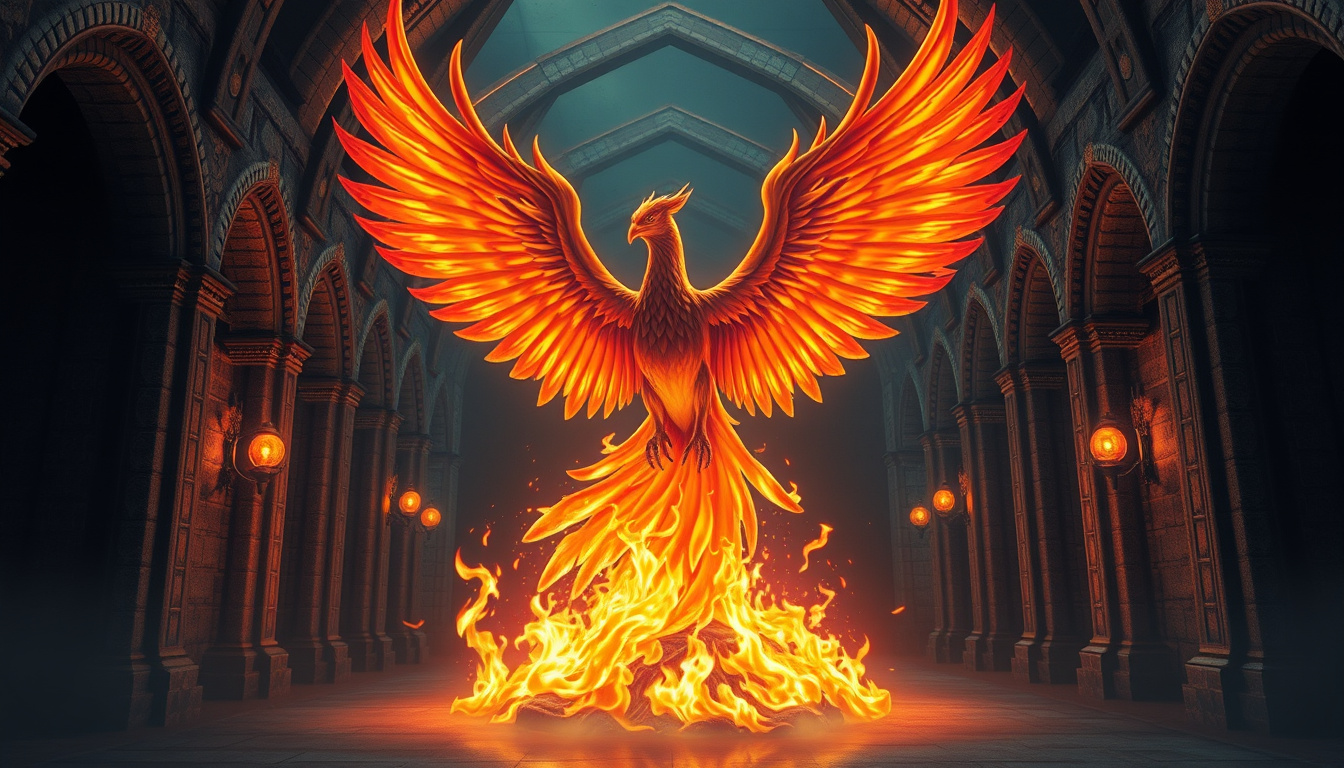
The title references both the secret organization central to the plot and the mythological phoenix, a creature that dies in fire only to be reborn from its ashes. This symbolism applies to multiple elements of the story: Dumbledore’s ability to return after apparent defeat, Harry’s resilience against repeated trauma, and the broader wizarding world’s potential to recover from Voldemort’s threat.
The Order of the Phoenix as an organization embodies this rebirth concept, having been dormant since Voldemort’s first defeat only to reconvene when the threat returns. Members who survived the first war must now face their enemy again, bringing experience but also confronting past traumas and losses.
Release Timeline and Adaptations
The journey from page to screen spans several years, with significant milestones marking the book’s cultural impact. Understanding this timeline helps contextualize the work’s place within the broader Harry Potter phenomenon.
- – Simultaneous release in UK and United States, breaking previous sales records
- – Audiobook versions released, narrated by Jim Dale (US) and Stephen Fry (UK)
- – Film adaptation premieres in theaters worldwide
- – Enhanced editions published with additional content from Wizarding World
What Is Established and What Remains Unclear?
| Confirmed Information | Information Requiring Additional Sources |
|---|---|
| Plot sequence and major events | Complete list of all Order members |
| Publication date: June 21, 2003 | Detailed chapter-by-chapter analysis |
| Sirius Black’s death at Bellatrix’s hands | Specific sales figures by region |
| Formation of Dumbledore’s Army | Literary analysis frameworks |
| Umbridge’s role as antagonist | Comparative reception across markets |
| Ministry’s denial campaign | Movie production budgets and details |
Why Does This Book Matter?
Harry Potter and the Order of the Phoenix represents a maturation point for the series, addressing themes previously hinted at but not fully explored. The examination of how governments respond to threats through denial rather than action resonates beyond fantasy literature, offering commentary on institutional failures and the importance of individual integrity.
The novel also marks Harry’s transition from a reactive protagonist to someone taking active control of his circumstances. His organization of Dumbledore’s Army demonstrates initiative and leadership that will define his role in subsequent books, while his grief over Sirius hardens his resolve against Voldemort. For readers interested in exploring similar content delivery approaches, the Waitrose Food to Order – Delivery Guide and Costs page demonstrates how comprehensive guide structures can organize complex information effectively.
Sources and References
The Ministry has fallen. The Department of Mysteries has been breached. We have lost no fewer than three of our own. The Dark Lord’s return is upon us.
— From the narrative, Chapter 36: “The Only One He Ever Feared”
Information in this article draws from established sources including academic analyses, official publisher records, and established literary guides. For readers seeking additional information about the wizarding world, official resources such as Bloomsbury Publishing and J.K. Rowling’s official website provide authoritative details on publication specifics and authorial commentary.
- Comprehensive plot analysis and character breakdowns available through established literary study guides
- Official publication details maintained by Bloomsbury Publishing (UK) and Scholastic Corporation (US)
- Film production information documented through major entertainment databases
Summary
Harry Potter and the Order of the Phoenix stands as the longest and perhaps most emotionally intense installment in the series. Published on June 21, 2003, the novel follows Harry’s turbulent fifth year at Hogwarts as he faces institutional opposition from the Ministry of Magic while confronting genuine threats from Voldemort and his followers. The formation of Dumbledore’s Army, led by Harry and his friends, represents a grassroots resistance against authoritarian control, while the climactic battle at the Department of Mysteries results in Sirius Black’s death at Bellatrix Lestrange’s hands. These events fundamentally reshape Harry’s character and set the stage for the series’ dramatic conclusion.
Frequently Asked Questions
What happens at the end of Harry Potter and the Order of the Phoenix?
Dumbledore arrives at the Ministry of Magic to confront Voldemort and prevent him from possessing Harry. After Sirius’s death and the destruction of the prophecy sphere, the Order evacuates Harry from the scene. Dumbledore returns Harry to Hogwarts, where the school celebrates Dumbledore’s rehabilitation and the truth about Voldemort’s return becomes undeniable.
How does Harry feel about Sirius’s death?
Harry experiences intense grief and guilt following Sirius’s death, believing he acted recklessly in responding to Voldemort’s trap. The loss marks his first experience of someone he loved being killed, fundamentally changing his approach to danger and his relationship with mortality throughout the remaining books.
What is the Room of Requirement?
The Room of Requirement is a secret chamber at Hogwarts that appears only when someone needs it. Dumbledore’s Army uses this room for their secret meetings and practice sessions, as it can be configured to provide exactly what the users require, including privacy from Umbridge’s surveillance.
Who is Dolores Umbridge?
Dolores Umbridge is a Ministry of Magic employee appointed as Defence Against the Dark Arts professor at Hogwarts. She becomes increasingly authoritarian, eventually serving as High Inquisitor and headmistress, enforcing the Ministry’s anti-Harry agenda through cruel punishments and restrictive policies.
What is the prophecy about Harry?
The prophecy stored in the Department of Mysteries states that the Dark Lord and his weapon (Harry) cannot both survive. This prophecy, made by Sibyll Trelawney, established the central conflict of the series and explains why Voldemort is specifically targeting Harry.
Why does Dumbledore resign as headmaster?
Dumbledore takes responsibility for Dumbledore’s Army after Umbridge discovers the group, stepping down as headmaster to protect the students from the Ministry’s retribution. His resignation allows him to operate openly as the Order’s leader while the Ministry can no longer use Hogwarts as a direct tool against him.
How long did it take to make the movie?
Production on the film adaptation began in early 2006, with principal photography lasting several months. The film premiered on July 11, 2007, approximately four years after the book’s publication, allowing time for script development, filming, and post-production work.
Related stories





Chris O'Brien covers Canadian startups, AI developments and innovation policy for BuzzLayer.