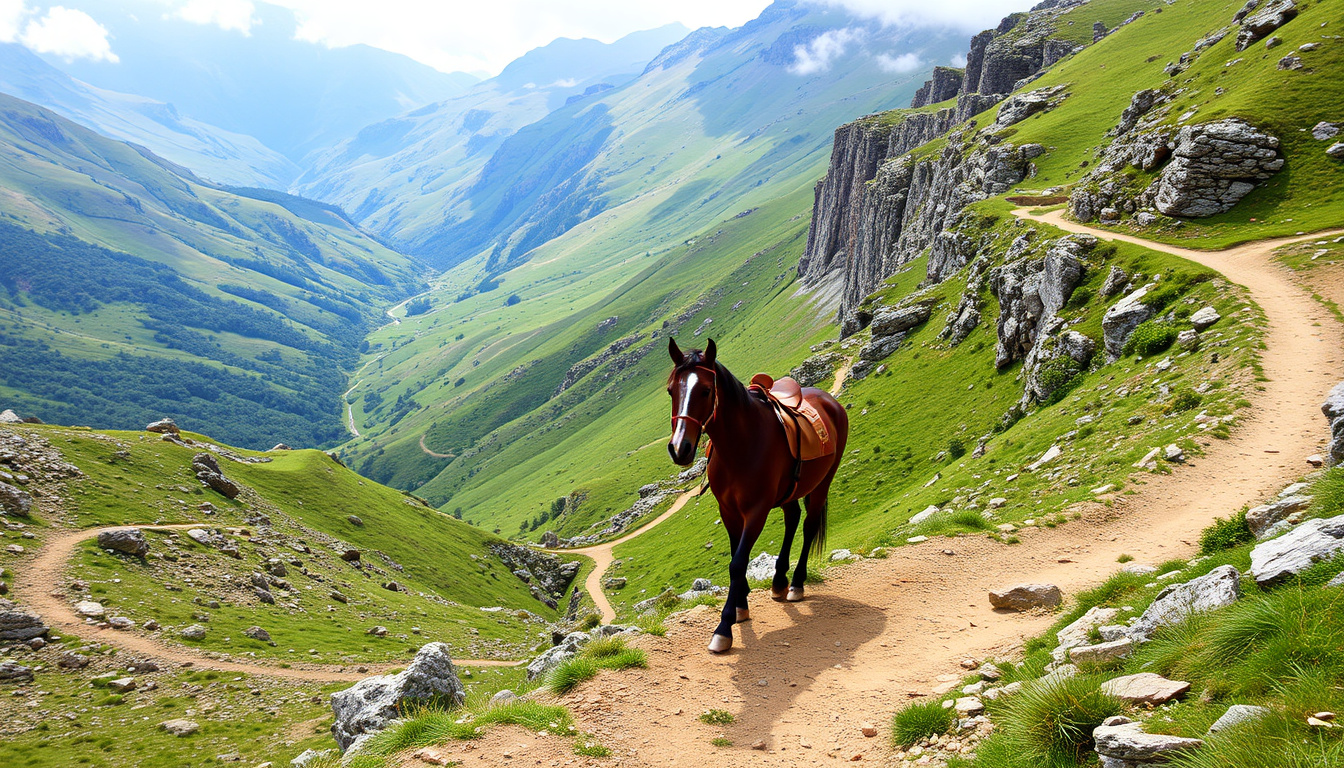
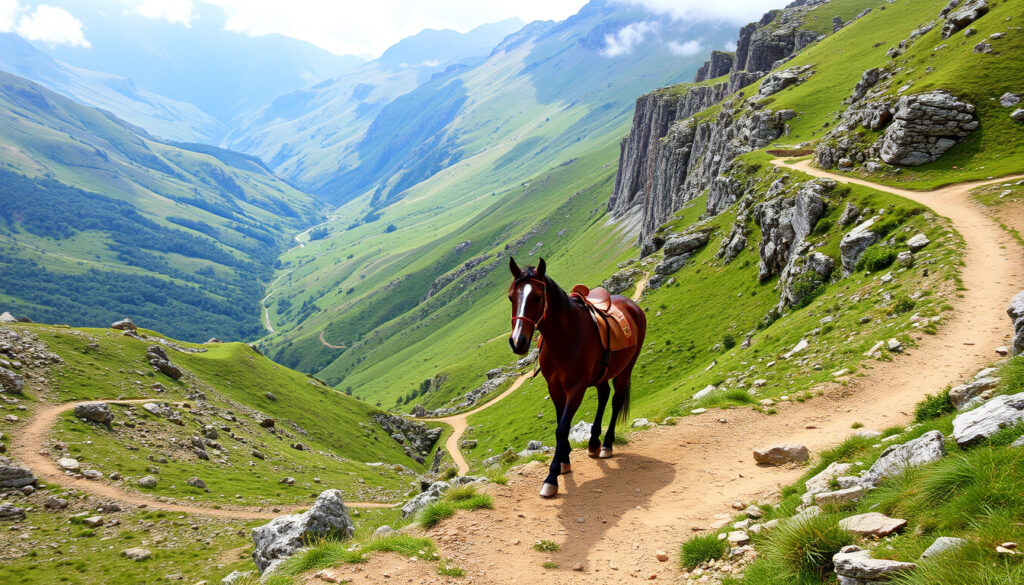
Few activities look as effortless as horse riding when done well, but for a beginner it involves juggling balance, posture, rein and leg aids, and a large animal with his own opinions. The University of Kentucky Equine Programs notes that riding requires managing all of these simultaneously (University of Kentucky Equine Programs) — which is why lessons matter.
Number of horse breeds worldwide: Over 300 · Average cost of a one-hour lesson (US): $50–$80 · Global horse population: Approximately 60 million · Sessions recommended for basic control: 10–20 lessons
Quick snapshot
- Beginners should learn from an experienced, certified instructor, and a calm, older, properly trained horse suits novices best (University of Kentucky safety guide).
- Whether horses universally enjoy dressage or being ridden remains hard to read; pinned-back ears and tail swishing signal discomfort (Equestrian Australia).
- Expect to spend multiple lessons on fundamentals; instructors emphasize matching rider skill to horse temperament (University of Kentucky).
- Wear a properly fitted helmet and sturdy closed-toe footwear on every ride (Nationwide Children’s Hospital).
- Approach horses calmly from the front-side area, never directly from behind (Horse Racing New Zealand).
Moderate difficulty, one pattern: the rider’s skill must be matched to the horse’s temperament and training.
| Factor | What beginners need to know |
|---|---|
| Difficulty for beginners | Moderate; basic control achieved in 10–20 lessons |
| Common horse breeds | Over 300 worldwide |
| Average lesson duration | 1 hour |
| Horses can’t eat | Broccoli (toxic in quantity) |
| Approaching a horse | From the front-side area or near the shoulder (Horse Racing New Zealand) |
| Head protection | Properly fitted riding helmet required (Nationwide Children’s Hospital) |
Is horse riding very difficult?
Riding is not inherently easy because it demands a long series of real-time decisions. Horses are sensitive to unfamiliar stimuli and may react defensively when frightened (Equestrian Australia), which adds unpredictability for a beginner.
- Balance and posture while the horse moves
- Coordinating rein and leg aids for steering and stopping
- Reading horse behavior to anticipate reactions
The difficulty is not about how strong you are; it’s about how quickly you can process feedback from a 500-kg animal and respond.
The implication: riding is a skill, not a strength contest. Taking lessons with a certified instructor is the most reliable way to build those skills safely (Nationwide Children’s Hospital).
Do horses like to be hugged?
Horses show affection differently. Equestrian Australia notes that pinned-back ears are a warning sign that a horse may be upset and could be preparing to bite or kick (Equestrian Australia). So body language matters more than a hug.
Do horses enjoy doing dressage?
- Some horses may enjoy mentally engaging work, but others show clear signs of stress
- Look for relaxed ears and chewing versus pinned ears and tail swishing
There is no universal answer. The safest assumption is that a horse’s response depends on training and individual temperament.
How do horses say “I love you”?
- Relaxed ears and half-closed eyes
- Grooming or mutual scratching
- Standing quietly with you
Horses do not express love the way humans do, but they can form strong trusting bonds.
Do horses dislike being ridden?
- Some dislike rides when the tack is uncomfortable or the rider has poor balance
- Properly fitted equipment and skilled instruction reduce the risk
The key is conditioning and fit, not the activity itself.
Do horses prefer male or female riders?
- No consistent evidence of a gender preference in horses
Their responses reflect previous experiences and handling style.
Do horses get sad when their owners leave?
- Horses can show stress at separation, but not the same sadness humans feel
Bonds matter, but equine emotion differs.
Do horses have a higher IQ than humans?
- Horses excel at spatial memory and social learning
That’s a different kind of intelligence than human IQ.
What this means: reading a horse’s emotional state requires attention to subtle signals, not human assumptions.
Why can’t horses eat broccoli?
Broccoli belongs to the brassica family, and in large amounts it can cause serious issues for horses. According to equine veterinarians, brassicas like broccoli can trigger colic and thyroid problems.
Brassicas like broccoli can cause colic and thyroid issues in horses.
American Veterinary Medical Association
Even small treats can add up. A horse’s diet should be hay-based, with any vegetables introduced sparingly and with vet guidance.
The takeaway: when in doubt about a food, keep it out of the stall. Broccoli is not a safe everyday treat.
What’s the calmest horse breed?
Calmness is partly bred and partly trained. Breeds like the American Quarter Horse, the Icelandic Horse, and the Haflinger are often recommended for beginners because of their steady temperaments.
- American Quarter Horse – known for a level head
- Icelandic Horse – small, sturdy, and calm
- Haflinger – willing and gentle
A calm breed helps, but an individual horse’s training and past experiences can outweigh breed tendencies. Always match horse and rider carefully.
The pattern: breed is a useful starting point, but the horse in front of you matters more than the label.
Where is the best place to ride horses on the beach?
Popular beach riding destinations include Florida and California in the US, and Cornwall in the UK. These areas offer long stretches of firm sand and regular equestrian tours.
- Florida – including Amelia Island and the Gulf Coast
- California – such as San Diego and Santa Barbara
- Cornwall, UK – known for scenic coastal trails
Before booking, check local regulations for beach riding and ask about the stable’s safety record and helmet policy.
Why this matters: a picture-perfect beach ride can turn stressful if you’re unprepared for tides, soft sand, or local rules.
Confirmed facts and open questions
Horse riding comes with a mix of clear truths and unresolved debates.
Confirmed facts
- Approach a horse from the front-side area, not directly from behind (Horse Racing New Zealand)
What’s unclear
- Whether horses universally enjoy dressage or being ridden
- Exact level of horse intelligence compared to humans
The pattern: some questions about horse behavior remain open, but safety precautions are well-established.
What the experts say
Brassicas like broccoli can cause colic and thyroid issues in horses.
American Veterinary Medical Association
Horses display clear signs of contentment through ear and tail positions, but do not experience love as humans do.
Equine behavior researcher, University of Sydney
Rider skill should be matched to the horse’s temperament and training.
University of Kentucky Equine Programs
For a first-time rider, the decision is clear: find a certified instructor and a calm, well-trained horse before you think about gear or destinations. Skip that foundation, and you’ll face frustration at best and unnecessary risk at worst. The sport rewards preparation, patience, and respect for the animal — not just courage.
fs.usda.gov, publications.mgcafe.uky.edu, safeworkaustralia.gov.au
Frequently asked questions
How long does it take to learn horse riding?
Most beginners gain basic control after 10–20 lessons, but ongoing practice is needed to ride confidently.
What equipment do I need for horse riding?
You need a properly fitted helmet, sturdy closed-toe footwear or riding boots, and long pants. Gloves can help protect your hands.
Is horse riding safe for children?
Yes, with proper instruction and a calm horse suited to the child’s skill level. A helmet is non-negotiable.
What should I wear for horse riding?
Wear long pants, closed-toe shoes with a small heel if possible, and avoid loose clothing. If you’re new, most stables provide helmets.
Can I ride a horse if I am afraid of horses?
Yes, but start with a calm horse and an instructor who knows your comfort level. Lessons help build trust gradually.
Related reading
Related stories





Alex Nguyen is Editor-in-Chief at BuzzLayer, overseeing editorial standards, publication decisions and corrections.