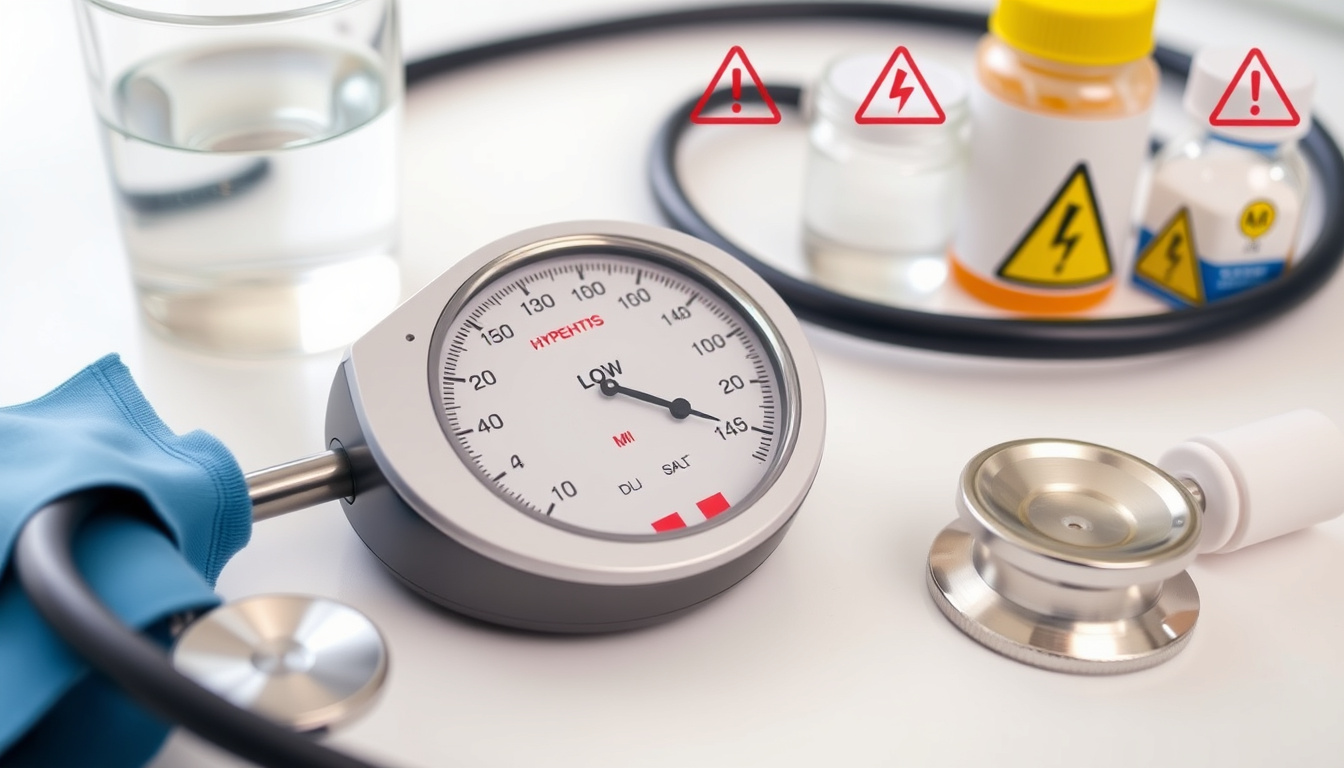
Low blood pressure—below 90/60 mmHg—is often harmless, but when symptoms strike, they can disrupt daily life. Mayo Clinic and NHS agree that dehydration, medications, and sudden position changes are the most common culprits, and most cases respond to simple fixes like hydration and salt.
Low BP threshold: <90/60 mm Hg · Common cause: Dehydration · Postural drop trigger: Standing up quickly · Top source: Mayo Clinic · UK health site: NHS
Quick snapshot
- Low blood pressure is defined as below 90/60 mmHg (NHS)
- Dehydration reduces blood volume, causing a drop (Mayo Clinic)
- Medications—diuretics, alpha blockers, beta blockers—are common triggers (Mayo Clinic)
- Exact danger thresholds vary by age and gender
- How genetic predisposition specifically manifests in individuals
- Long-term outcome data for chronic hypotension cases
- Postprandial drops occur 1–2 hours after eating (University of Rochester Medical Center)
- Pregnancy-related hypotension peaks in first and second trimesters (Cleveland Clinic)
- Neurally mediated hypotension follows prolonged standing (University of Rochester Medical Center)
- Persistent symptoms warrant a doctor’s visit
- Treatment focuses on addressing the underlying cause
- Severe sudden drops require emergency care
Key measurements and terminology help frame the discussion that follows.
| Label | Value |
|---|---|
| Low BP range | <90/60 mm Hg |
| Normal BP | 120/80 mm Hg |
| Top cause | Dehydration (Mayo Clinic) |
| Postural type | Orthostatic hypotension |
| Danger threshold | Symptomatic drops |
What are the major causes of low blood pressure?
Low blood pressure (hypotension) becomes a problem when it dips below 90/60 mmHg, according to the NHS. The causes fall into several categories, and understanding which one applies to you matters because treatment depends on the root issue. Mayo Clinic identifies dehydration as the most common preventable cause—it reduces blood volume, which means less pressure against vessel walls.
Dehydration
When you lose more fluids than you take in, your blood volume drops. This can happen through fever, vomiting, severe diarrhea, diuretic overuse, or strenuous exercise without adequate fluid replacement. The American Heart Association notes that even mild dehydration can trigger symptoms in susceptible individuals.
Prolonged bed rest
Extended time lying down causes circulation to adapt, and standing afterward can trigger orthostatic hypotension. The American Heart Association includes prolonged bed rest among temporary causes of low blood pressure.
Pregnancy
During the first and second trimesters, circulatory changes are common. Cleveland Clinic reports that orthostatic hypotension frequently occurs in pregnant people, usually resolving after delivery.
Medications
Several drug classes carry hypotensive side effects. Mayo Clinic lists diuretics like furosemide (a loop diuretic) and hydrochlorothiazide, alpha blockers such as prazosin, and beta blockers like atenolol. Additional culprits include antidepressants, Parkinson’s disease medications, and erectile dysfunction drugs, according to Medical News Today.
Heart problems
Mayo Clinic identifies bradycardia, heart valve problems, heart attack, and heart failure as conditions that can lead to dangerously low readings. These require medical management rather than lifestyle intervention alone.
What are the symptoms of low blood pressure?
Symptoms serve as your body’s warning system. Mayo Clinic reports that recognizing these signs early helps distinguish between harmless dips and situations requiring medical attention.
Dizziness
This is often the first clue. Lightheadedness typically strikes when changing position—from sitting to standing or lying down to sitting up. Mayo Clinic attributes this to orthostatic hypotension, where blood flow to the brain temporarily doesn’t keep pace with your movement.
Fainting
When dizziness progresses, fainting (syncope) can occur. This is particularly common with rapid position changes or in warm environments where blood vessels dilate further.
Blurred vision
Inadequate blood flow to the eyes can cause temporary vision changes. Mayo Clinic lists blurred vision among common symptoms alongside nausea and fatigue.
Nausea
Digestive disturbance often accompanies hypotension, especially when the drop is sudden. Combined with cold, clammy skin and rapid shallow breathing, nausea points toward a significant circulatory shift.
Fatigue
When your body isn’t perfusing tissues adequately, energy levels drop. Mayo Clinic notes lack of concentration frequently follows, making everyday tasks harder to complete.
What to do if my blood pressure is low?
Mayo Clinic’s treatment guidelines focus on addressing the underlying cause while providing immediate symptom relief. Their approach combines hydration, positioning, and dietary adjustments.
Immediate steps
- Lie down and elevate your legs above heart level to encourage blood flow back to core organs
- Drink water immediately—fluids increase blood volume and combat dehydration
- Avoid alcohol, which further lowers blood pressure through vasodilation
- Cross your thighs while standing to compress leg veins and push blood upward
Lifestyle changes
- Increase salt intake ( Mayo Clinic supports this for diagnosed cases under supervision)
- Wear compression stockings to improve venous return from legs to heart
- Eat small, frequent meals rather than large ones to prevent postprandial drops
- Stay hydrated throughout the day, especially before physical activity
When to seek help
Mayo Clinic advises contacting a doctor if symptoms persist despite rest and fluids, if fainting occurs, or if you experience chest pain, shortness of breath, or confusion. Sudden severe drops—particularly from anaphylaxis, sepsis, or pulmonary embolism—require emergency care.
For pregnant people experiencing orthostatic hypotension in their first and second trimesters, simple interventions like slow position changes and hydration often suffice. But persistent symptoms warrant evaluation to rule out cardiac or endocrine causes.
How do you bring up blood pressure quickly?
When you need rapid improvement—before a doctor’s appointment or during an acute episode—several strategies can help within minutes to hours.
Hydration
Mayo Clinic states that drinking more water increases blood volume, which directly raises pressure against vessel walls. Adding an electrolyte drink can accelerate absorption, particularly if you’ve been losing fluids through exercise or illness.
Salt intake
Cleveland Clinic confirms that increasing salt intake helps raise blood pressure in diagnosed cases. Salty snacks like pretzels or a cup of broth work faster than food alone. However, this approach requires caution if you have heart or kidney conditions.
Positioning
Lie flat with feet elevated on pillows or against a wall. This utilizes gravity to pull blood from your lower body toward your heart and brain. Mayo Clinic specifically recommends this position for orthostatic episodes.
Caffeine provides a temporary boost—the American Heart Association acknowledges coffee and caffeine drinks can raise BP briefly. But relying on caffeine masks rather than fixes the underlying problem, and it can cause dependency or crashes that worsen symptoms.
Is low blood pressure a worry?
Not all low blood pressure is dangerous. NHS guidelines indicate that many people maintain readings below 90/60 mmHg without symptoms—this is simply their normal baseline. Problems arise when symptomatic drops interfere with daily function or signal an underlying condition.
When it’s dangerous
Cleveland Clinic identifies life-threatening causes including sepsis, pulmonary embolism, and anaphylaxis. These conditions cause sudden, severe drops that represent medical emergencies. For routine cases, persistent symptoms despite rest and fluids warrant professional evaluation.
Risk factors
Certain populations face higher complications. The American Heart Association links depression and Parkinson’s disease to orthostatic hypotension, while Mayo Clinic News Network identifies diabetes as a common orthostatic cause. Advanced age increases vulnerability to falls during fainting episodes.
By age and gender
Research indicates that women may experience more postural drops than men, though exact danger thresholds by gender remain poorly defined. Cleveland Clinic notes that pregnancy commonly causes temporary orthostatic hypotension in the first two trimesters, typically resolving postpartum.
A reading below 90/60 mmHg paired with symptoms—dizziness, fainting, confusion, chest pain—indicates you should seek evaluation. Asymptomatic low readings without other concerns typically don’t require intervention.
How to raise low blood pressure: step-by-step guide
Follow these steps in order when experiencing symptomatic hypotension:
- Sit or lie down immediately if you feel dizzy. Don’t risk falling.
- Elevate your legs above heart level—use pillows or recline against a wall. Stay this way for 10–15 minutes.
- Drink water—aim for 16–20 ounces immediately. Add electrolytes if available.
- Consume salt—a handful of salted nuts, a pickle, or broth works within 20–30 minutes.
- Avoid standing quickly. Rise gradually over several minutes when you resume moving.
- Skip alcohol and caffeinated drinks until symptoms resolve—these worsen vasodilation.
- Contact your doctor if symptoms don’t improve within an hour or if fainting, chest pain, or shortness of breath occurs.
- Seek emergency care if you experience sudden severe drop, allergic reaction symptoms, or signs of shock.
Upsides
- Most cases respond to simple hydration and positioning
- Pregnancy-related hypotension usually resolves after delivery
- Lifestyle changes carry minimal risk when monitored
- Identifying the cause allows targeted treatment
Downsides
- Medication side effects can be difficult to manage without alternatives
- Postprandial drops limit meal choices
- Severe cases require prescription drugs (fludrocortisone, midodrine) with side effects
- Underlying conditions like heart failure need ongoing treatment
What experts say about low blood pressure
It’s important to find out what’s causing low blood pressure so that it can be treated, if needed.
— Mayo Clinic (Medical Authority)
Drink more water. Fluids increase blood volume and help prevent dehydration, both of which are important in treating hypotension.
— Mayo Clinic (Medical Authority)
Low blood pressure is a reading of less than 90/60mmHg.
— NHS (UK National Health Service)
Related reading: Waitrose Food to Order – Delivery Guide and Costs · All Her Fault Episodes – Complete Guide and Summaries
medicalnewstoday.com, mayoclinic.org, mayoclinic.org, connect.mayoclinic.org, heart.org, newsnetwork.mayoclinic.org, webmd.com, connect.mayoclinic.org
Common low blood pressure causes like dehydration and certain medications appear alongside symptoms in this detailed causes and triggers, offering deeper insights from health experts.
Frequently asked questions
What drink brings up blood pressure?
Water is the most effective. Mayo Clinic recommends increasing fluid intake to expand blood volume. For faster results, electrolyte drinks or salted broth provide immediate sodium and hydration. Caffeine can offer a brief boost but shouldn’t replace water.
Is banana good for low blood pressure?
Bananas contain potassium, which supports heart function, but they don’t significantly raise blood pressure. They may actually complement treatments since potassium helps balance sodium levels. The American Heart Association notes that overall dietary patterns matter more than single foods.
What not to eat when BP is low?
Avoid large high-carbohydrate meals—they trigger postprandial hypotension 1–2 hours after eating, according to the University of Rochester Medical Center. Alcohol also worsens low blood pressure by dilating blood vessels. Heavy processed meals with minimal sodium provide no benefit.
What is a dangerous low blood pressure for a woman?
The threshold mirrors the general population: below 90/60 mmHg with symptoms constitutes hypotension. Cleveland Clinic notes that women may experience more postural drops, but danger levels are determined by symptoms rather than gender-specific numbers.
What is a dangerous low blood pressure for a man?
Same threshold applies: below 90/60 mmHg. Danger isn’t defined by gender but by whether symptoms occur. Sudden drops requiring emergency care affect both men and women equally.
What causes low blood pressure in women?
Pregnancy commonly causes orthostatic hypotension during the first and second trimesters, reports Cleveland Clinic. Hormonal changes, menstrual cycle fluctuations, and blood loss during menstruation can also contribute. As with men, dehydration and medications remain leading causes.
What are symptoms of low blood pressure in females?
Symptoms are identical regardless of sex: dizziness, fainting, blurred vision, nausea, fatigue, and lack of concentration. Mayo Clinic lists these without gender distinctions, noting that individual variation matters more than sex-based norms.
Related stories




David Kim covers consumer technology, apps and platform updates for BuzzLayer.