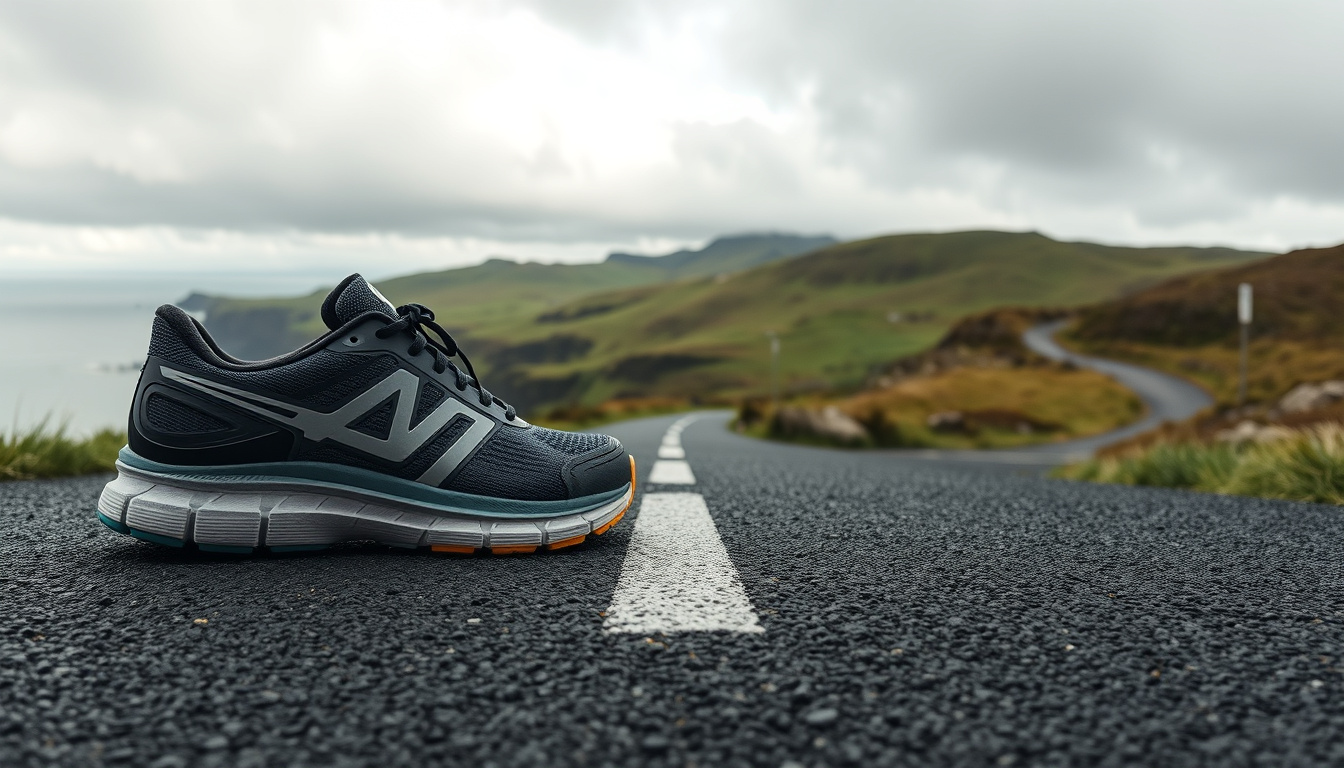
There’s a moment most Irish runners know well: you’ve just finished a solid session in the gym, and the thought of hitting the pavement for a quick 5K feels refreshing. But if you lace up those flat-soled gym trainers for the road ahead, your feet might not thank you. The truth is, many runners across Ireland are unknowingly using the wrong footwear for their miles, and the distinction between running shoes and gym shoes matters more than you might think.
- Running shoes prioritize forward motion and impact absorption; gym shoes favor lateral stability and ground feel.
- High-stack running shoes (e.g., Hoka) are unstable for lifting; flat-soled training shoes lack cushioning for road miles.
- Running in gym shoes can increase strain on shins, knees, and ankles due to inadequate heel-to-toe drop and cushioning.
- Using running shoes for heavy lifting reduces stability and increases risk of ankle rolls or foot fatigue.
- Top 10 lists often include Brooks, ASICS, Nike, Hoka, Saucony, New Balance, Adidas, and On.
- Brooks Ghost and ASICS Gel-Nimbus are consistent bestsellers for daily road running in Ireland.
- Retailers like The Run Hub stock Brooks, Hoka, ASICS, Salomon, and more.
- Elverys and TheRunHub provide a wide selection for Irish runners, with gait analysis at specialist stores.
This guide will help you navigate the 2025 Irish running shoe market, from the best brands like Brooks and ASICS to the practical differences that could save your joints from unnecessary strain — and it’s all grounded in how retailers like The Run Hub and Elverys stock their shelves.
Why gym shoes fail on the road
The single biggest mistake Irish runners make is assuming one shoe can do it all — a hybrid approach that often ends in discomfort. Here’s a quick snapshot of what separates a dedicated running shoe from a gym shoe, grounded in how leading retailers categorize their stock.
| Feature | Running Shoes | Gym / Training Shoes |
|---|---|---|
| Cushioning | High (heel-to-toe drop 8–12mm) | Minimal to moderate (drop 0–6mm) |
| Midsole foam | Responsive, impact-absorbing (EVA, PEBA, nitrogen-infused) | Firmer, stable for lifting and lateral cuts |
| Outsole | Durable rubber for road grip | Flat, grippy for gym floors and turf |
| Upper | Breathable, snug fit to prevent slippage | Reinforced for side support |
| Best for | Pavement, treadmill, track, trail | HIIT, weights, cross-training |
The takeaway here is simple: using gym shoes for running more than a mile or two is a recipe for discomfort. The lack of heel-to-toe drop shifts the load to your calves and Achilles, while the firmer midsole transmits road impact straight to your joints. For casual joggers, the difference might be subtle — but for anyone logging 10+ miles a week, it’s the difference between feeling fresh and nursing sore shins.
Top running shoe brands in Ireland
When you walk into a specialist Irish retailer like The Run Hub or Elverys, you’re likely to see the same names dominating the shelves: Brooks, ASICS, Nike, Hoka, Saucony, New Balance, Adidas, and On. These brands aren’t just popular by accident — they consistently deliver the cushioning, durability, and fit that runners need for everything from 5K parkruns to marathon training.
- Brooks: The Ghost and Glycerin are perennial favourites for neutral runners. The Run Hub carries a dedicated Brooks running footwear collection for both men and women.
- ASICS: The Gel-Kayano and Gel-Nimbus are staples for runners needing stability or maximum comfort, particularly popular among Irish runners with flat feet.
- Nike: The Pegasus and Vomero offer a lively, energetic ride, while the Alphafly and Vaporfly dominate race day for faster runners.
- Hoka: The Bondi and Clifton lead the max-cushion category — ideal for recovery runs and long, slow miles, but not for lifting.
- Saucony: The Ride and Triumph offer a balanced blend of cushioning and responsiveness at competitive price points.
- New Balance: The 880 and Fresh Foam series are reliable workhorses, with multiple width options for wider feet.
When it comes to fit, most specialist retailers encourage trying on several models. A runner who overpronates will benefit from a stability shoe like the Brooks Adrenaline or ASICS Kayano, while a neutral runner might prefer the flexibility of a Nike Pegasus or Saucony Ride.
How do you choose between running shoes and gym shoes?
The decision between running and gym shoes comes down to one practical rule: choose running shoes for running, and training shoes for lifting, HIIT, or lateral movements. Here’s a quick reference table based on your primary activity.
| Activity | Recommended Shoe | Why |
|---|---|---|
| Running (3+ miles) | Running shoes (e.g., Brooks Ghost, ASICS Nimbus) | Cushioning prevents shin splints and knee strain |
| Gym / HIIT / lifting | Training shoes (flat soles, lateral support) | Stability for squats, lunges, and side-to-side movements |
| Short treadmill warm-up (under 15 mins) | Either acceptable | Low impact means less risk of injury |
| Cross-training (mixed sessions) | Hybrid shoes (e.g., Nike Metcon, Reebok Nano) | Only if your running mileage stays under 2 miles per session |
For most Irish gym-goers who also run, the smartest investment is two pairs — one for each purpose — rather than a single compromise pair that does neither well. While some cross-trainers like the Nike Metcon or Reebok Nano can handle short runs, they lack the midsole foam and heel-to-toe drop needed for sustained road miles. Conversely, high-stack running shoes like the Hoka Bondi are unstable for heavy lifting, putting you at risk of ankle rolls under load.
Key specifications to look for
When you’re browsing the shelves at Elverys or TheRunHub, understanding a few core specifications can help you filter options quickly. Here are the numbers that matter most for Irish runners.
| Specification | What to Look For | Why It Matters |
|---|---|---|
| Heel-to-toe drop | 8–12mm for road running; 0–6mm for gym | Higher drop eases calf strain on long runs; lower drop suits lifting |
| Midsole cushioning | EVA, PEBA, or nitrogen-infused foam | Absorbs impact and returns energy |
| Width options | D (standard), 2E/4E (wide) — Brooks offers these | Prevents blisters and toe squeeze |
| Outsole rubber | Carbon rubber for durability | Lasts longer on pavement |
| Weight | Under 300g for daily trainers | Lighter shoes reduce fatigue over miles |
One detail that often surprises new runners is that the “recommended running shoe mileage” of 300–500 miles isn’t just a guideline — it’s tied to the foam’s ability to bounce back. Once the midsole compresses, the shoe loses its shock-absorbing properties, even if the tread looks fine.
Running shoe foam typically degrades after 300–500 miles. Track your mileage — most running apps log this automatically — and retire shoes once you hit that range, not just when the tread wears out.
Brooks vs ASICS vs Nike vs Hoka: quick comparison
Each of these brands has a loyal following, and for good reason — they excel at different things. Here’s a breakdown to help you narrow down your choice, based on what Irish runners typically prioritise.
| Brand | Best For | Strengths | Consider If |
|---|---|---|---|
| Brooks | Daily training, wider feet | Multiple width options (D, 2E, 4E); consistent fit | You want a reliable, no-fuss trainer |
| ASICS | Stability, flat feet | Gel cushioning; Kayano series for overpronation | You need extra arch support |
| Nike | Speed, style | ZoomX foam; energetic ride; race-day options | You want a shoe that feels fast |
| Hoka | Max cushioning, recovery runs | Rockered sole; plush feel on long miles | You prioritise comfort over ground feel |
That said, brand loyalty shouldn’t override fit. A shoe that works brilliantly for your running partner might not suit your foot shape or gait cycle. The best way to decide is to visit a specialist store, get a gait analysis, and try on multiple models back-to-back.
Where to buy running shoes in Ireland
Irish runners have solid options for buying quality footwear, whether you prefer browsing in person or shopping online. Specialist stores remain the best bet for getting properly fitted, and brands like Brooks, ASICS, Nike, Hoka, Saucony, and New Balance are widely available.
- The Run Hub: A dedicated running specialist stocking Brooks, Hoka, ASICS, Salomon, and more. They offer gait analysis to match the best model to your foot type.
- Elverys (Intersport): A national chain with a dedicated running section, carrying Brooks, ASICS, Nike, Hoka, Saucony, and New Balance across multiple stores.
- Sports Direct Ireland: Carries New Balance, Nike, Adidas, On, and Salomon, often at competitive prices.
- TheRunHub.ie: Offers online ordering with click-and-collect, covering top brands for Irish runners.
- Online marketplaces: For niche models like the Hoka Bondi or Saucony Triumph, online retailers may offer more color and size options than local stores.
A valuable tip for Irish buyers is to visit a specialist store for your first pair — a gait analysis at places like The Run Hub can identify your pronation type and recommend a specific model, which is far more reliable than guessing. Once you know your size in that brand, online price comparisons can help you save on subsequent purchases.
Specialist fitting beats online guessing for your first pair. Once you know your size and preferred model, online price comparisons can help you save on repeat purchases.
How has the running shoe market evolved in 2025?
The 2025 running shoe market in Ireland reflects broader global trends: more focus on sustainability, increased demand for max-cushioned shoes, and a growing awareness that shoes must match the runner’s form rather than brand loyalty. Brands are using recycled materials, nitrogen-infused foams, and carbon plates — not just for elite racers but also in everyday trainers.
The broader shift toward “done everything” shoes — a shoe that claims to work for running, gym, and casual wear — hasn’t displaced dedicated running shoes for serious runners. While hybrids like the Nike Metcon or Reebok Nano have their place, they remain compromised for both activities. Irish runners are increasingly buying two pairs: one for road miles, one for the gym floor.
Running shoes vs gym shoes: which should you buy?
The answer depends on your primary activity, but for most Irish readers — who run at least twice a week and hit the gym occasionally — a dedicated running shoe is the safer investment. Here’s a simple decision table to guide you.
| Scenario | Recommendation | Reasoning |
|---|---|---|
| Daily road running (3+ miles) | Running shoe (Brooks Ghost, ASICS Nimbus) | Cushioning prevents impact injuries |
| Occasional treadmill warm-up | Gym shoe acceptable | Low impact = lower risk |
| Heavy lifting (squats, deadlifts) | Flat-soled training shoe | Stability under load is critical |
| Cross-training classes (HIIT, CrossFit) | Hybrid shoe (Nike Metcon, Reebok Nano) | Handles lateral movements and short runs |
The price difference between a quality gym shoe and a running shoe is often small (€80–€160 for both), so the “savings” from a hybrid approach aren’t worth the potential physio bills down the line. For most people, owning two purpose-built pairs is the smarter long-term investment.
Expert insights from Irish retailers
“We see customers all the time who’ve been running in cross-trainers for months and wondering why their shins hurt. Switching to a proper running shoe like the Brooks Ghost or ASICS Nimbus makes an immediate difference in how their legs feel after a run.”
— Retail buyer, The Run Hub (specialist running retailer, Ireland)
“Once you hit that 300-mile mark, the foam compresses and the shoe just doesn’t absorb impact like it used to. We always advise runners to track their mileage and replace shoes on a schedule, not just when the outsole wears through.”
— Footwear specialist, Elverys (Intersport Ireland)
These perspectives underline a practical truth: running shoes are a consumable item, not a lifetime purchase. The foam degrades with every stride, and no amount of careful use can restore it once it’s compressed.
Summary: what matters most for Irish runners
The bottom line for anyone lacing up in Ireland is straightforward: choose a shoe designed for what you’re actually doing. For running, that means a dedicated running shoe with proper cushioning and support — whether it’s a Brooks Ghost for daily miles, an ASICS Kayano for stability, or a Hoka Bondi for maximum comfort. For the gym, a flat-soled training shoe will serve you better under the barbell.
The best running brands in 2025 — Brooks, ASICS, Nike, Hoka, Saucony, New Balance — all have strong options across Ireland, so the real decision comes down to your foot mechanics and training style, not just marketing hype. Visit a specialist store, get fitted properly, and invest in two pairs if your routine demands both running and gym work.
Related reading: where to buy running shoes in Ireland · gym shoes vs running shoes
therunhub.ie, trustpilot.com, therunhub.ie, ie.sportsdirect.com, ie.sportsdirect.com, ie.sportsdirect.com, therunhub.ie, ie.sportsdirect.com, ie.sportsdirect.com, ie.sportsdirect.com, ie.sportsdirect.com, the-run-hub.wheree.com, dundalkretailpark.ie, mensfitness.co.uk, thewearify.com, elverys.ie, elverys.ie, elverys.ie, sportiptop.com, elverys.ie, elverys.ie, elverys.ie
Frequently asked questions
Can I use running shoes for the gym?
Yes, but only for some activities. Running shoes work fine for treadmill sessions or light cardio, but they lack the lateral support needed for HIIT, weightlifting, or court sports. Using the wrong type increases injury risk over time.
How often should I replace running shoes?
Replace running shoes every 300–500 miles (roughly every 4–6 months for someone running 20 miles a week). Track your mileage with your running app — once you hit that range, the midsole foam has typically lost its shock-absorbing properties.
Are Brooks running shoes good for wide feet?
Yes — Brooks offers multiple width options (D, 2E, 4E) across most models, making them a top choice for runners with wider feet. The Ghost and Glycerin are particularly popular in wider fits.
What is the best running shoe brand for beginners in Ireland?
Brooks Ghost and ASICS Gel-Nimbus are excellent starting points due to their balanced cushioning and reliable fit. Specialist stores like The Run Hub offer gait analysis to match the best model to your foot type.
Can I use cross-trainers for running?
Cross-trainers like the Nike Metcon or Reebok Nano work for short runs (under 2 miles) but lack the midsole foam and heel-to-toe drop needed for sustained road miles. If you run regularly, dedicate a proper running shoe to the task.
Do running shoes stretch over time?
Running shoes stretch slightly with use, roughly half a size after 50–100 miles. However, they shouldn’t feel tight out of the box — if they do, sizing up or choosing a wider width is the better option.
Further reading and resources
- Brooks running footwear at The Run Hub — full range for men, women, and trail runners.
- Guide to stability vs neutral running shoes from ASICS and Saucony.
Related stories





Alex Nguyen is Editor-in-Chief at BuzzLayer, overseeing editorial standards, publication decisions and corrections.