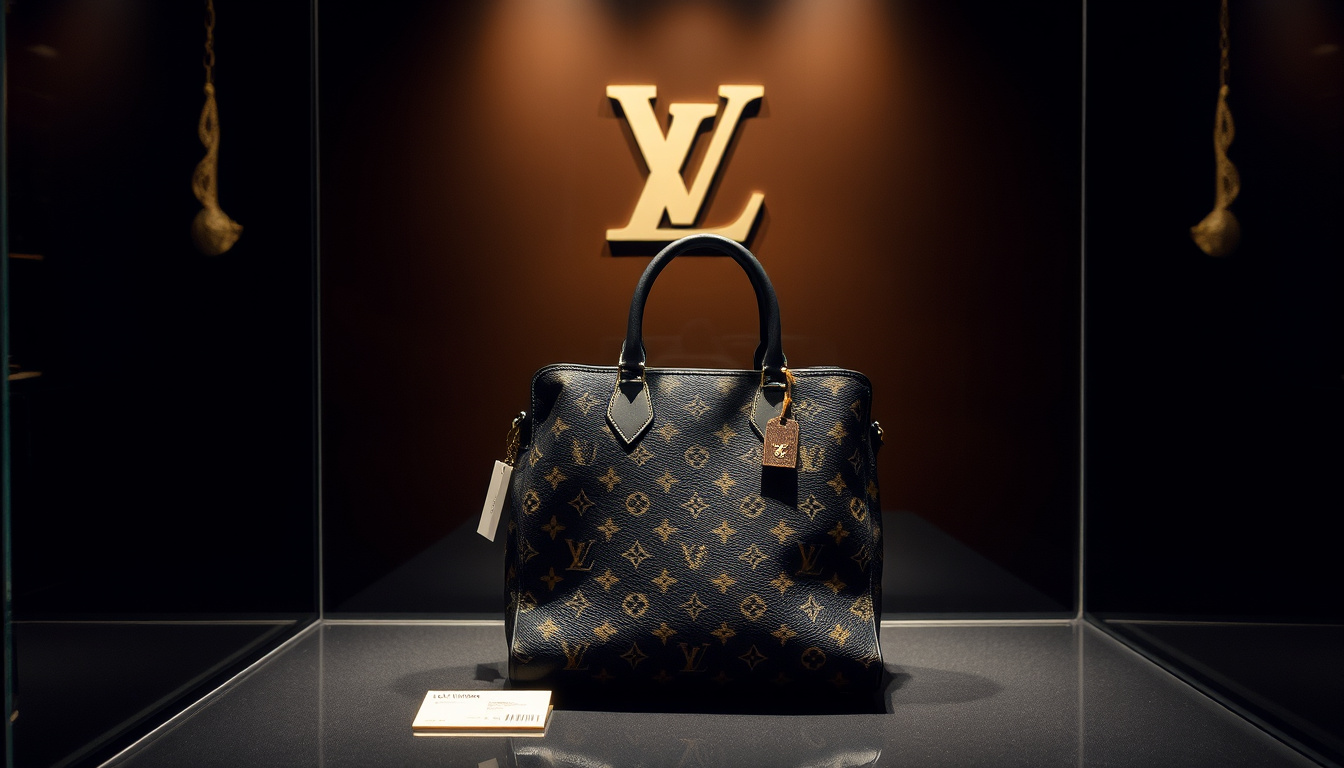
If you’ve ever glanced at a Louis Vuitton price tag and wondered how a canvas bag can cost more than a used car, you’re not alone. The French fashion house, founded in 1854 (LVMH history), has built its reputation on exclusivity, craftsmanship, and a brand story that spans generations. This guide cuts through the marketing to explain the real economics behind the monogram — who owns the company, why prices are so high, and where you can get the best deal.
Founded: 1854 ·
Owner: Bernard Arnault (LVMH) ·
Headquarters: Paris, France ·
Annual Revenue (2022): €21.2 billion ·
Cheapest Product: ≈$200 (key holder)
Quick snapshot
- Founded in Paris in 1854 (LVMH history)
- Part of LVMH since 1987 (The Fashion Law)
- Controlled by Bernard Arnault since 1989 (LVMH governance)
- Future creative direction after Virgil Abloh’s death
- Potential price increases in 2025
- Impact of counterfeit market on brand value
- 1854: First workshop in Paris (LVMH history)
- 1896: Monogram Canvas introduced (LVMH history)
- 1997: Marc Jacobs appointed, ready-to-wear launched (The Fashion Law)
- 2023: Pietro Beccari named CEO (LVMH history)
Seven key data points tell much of the story about Louis Vuitton’s scale and position:
| Attribute | Value |
|---|---|
| Founded | 1854 |
| Founder | Louis Vuitton |
| Headquarters | Paris, France |
| Parent Company | LVMH (Moët Hennessy Louis Vuitton) |
| CEO | Pietro Beccari (since 2023) |
| Revenue (2022) | €21.2 billion |
| Employees | ≈30,000 (2021) |
Why is Louis Vuitton expensive?
The simplest answer is that Louis Vuitton charges high prices because it can — and its customers expect it to. The brand uses premium materials, employs skilled artisans, and invests heavily in keeping the brand aspirational. But the real driver is a deliberate policy of exclusivity through pricing.
Louis Vuitton never discounts its products, as Bernard Arnault himself stated: “We do not discount; luxury must remain exclusive.” This means full retail price is the only price — and it keeps demand high by creating artificial scarcity.
Why are Louis Vuitton bags so expensive?
- Premium materials (leather, coated canvas) and handmade assembly at workshops in France, Spain, and Italy (LVMH craftsmanship)
- Brand heritage dating to 1854, reinforced by iconic Monogram canvas introduced in 1896 (LVMH history)
- No discounting policy ensures bags never go on sale, preserving resale value (Forbes analysis)
- Limited supply and high demand — many styles have waiting lists
- Marketing spend on celebrity endorsements, fashion shows, and flagship stores worldwide
Who owns Louis Vuitton right now?
Louis Vuitton is not owned by a single person — it’s part of the world’s largest luxury conglomerate, LVMH Moët Hennessy Louis Vuitton (LVMH), created in 1987. The controlling shareholder and chairman is Bernard Arnault, who gained control three years later.
Which country is the owner of Louis Vuitton?
- LVMH is a French multinational holding company headquartered in Paris (Britannica Money)
- The Arnault family, which controls the group, is French
- Louis Vuitton itself operates under French corporate law and pays taxes in France
How rich is the guy who owns Louis Vuitton?
Bernard Arnault, who took control of LVMH in 1989, is regularly ranked among the world’s wealthiest individuals. Financial news outlets estimate his net worth at well over $200 billion, driven by LVMH’s market value — though the exact figure fluctuates daily.
In 2023, LVMH owned 75 brands — from Hennessy to Dior — and its market cap surpassed €400 billion, making it the most valuable European company (NYT, 2023).
How much is the cheapest Louis Vuitton?
While Louis Vuitton is famous for four‑figure handbags, the brand does have entry‑level items. The cheapest new products are small leather goods — key holders, card holders, and coin purses.
What is the cheapest Louis Vuitton bag?
- Entry‑level accessories: around $200–$300 (key holder, card holder) — based on 2024 pricing comparisons from CloverSac
- Cheapest handbags (Neverfull, Speedy) start at approximately $1,000–$1,500 new
- Pre‑owned market: can find decent condition bags from $500–$800 through reseller platforms
- Prices vary by region due to VAT and import duties; Europe generally offers lower list prices
What happened with Louis Vuitton?
Louis Vuitton has evolved from a trunk maker to a global fashion powerhouse, but recent years have been marked by both creative triumphs and tragic losses.
What is the history of Louis Vuitton?
- 1854: Louis Vuitton opens his first workshop in Paris (LVMH history)
- 1896: Georges Vuitton creates the Monogram Canvas pattern, still the brand’s signature
- 1987: Merger creates LVMH; Louis Vuitton becomes a founding pillar (The Fashion Law)
- 1997: Marc Jacobs appointed artistic director, launching first ready‑to‑wear line
- 2013: Nicolas Ghesquière becomes women’s creative director
- 2018: Virgil Abloh named men’s artistic director, bringing streetwear influence
- 2021: Virgil Abloh dies at 41; the brand begins a new search for creative leadership
- 2023: Pietro Beccari becomes CEO, marking a new leadership era
The death of Virgil Abloh in 2021 left a gap in men’s design direction. Since then, the brand has leaned on its house codes and women’s collections to maintain momentum.
What country is best to buy Louis Vuitton?
Because Louis Vuitton prices differ by market, travellers and cross‑border shoppers can save hundreds of dollars by purchasing strategically. The key factors: list price in local currency, VAT refund rates, and currency exchange rates.
Where to buy Louis Vuitton cheapest?
- Europe (especially France, Italy, Spain): lowest list prices plus tourists can claim ~12‑20% VAT refund at departure — CloverSac’s 2024 analysis suggests Hungary offers the best effective price
- Asia (Japan, South Korea): higher list prices; no VAT refund for tourists
- United States: moderate list prices but no VAT refund; sales tax added at checkout
- Duty‑free airport shops: can be cheaper than city boutiques because VAT is already excluded
- Pre‑owned market (e.g., The RealReal, Vestiaire Collective): often 20‑40% below retail regardless of country
Pros and Cons of Buying Louis Vuitton
Upsides
- Excellent resale value — classic bags often hold 60-80% of retail price
- Heritage and craftsmanship backed by LVMH’s quality controls
- Wide global network for after‑sales service (repairs, cleaning)
- No sales = no buyer’s remorse about missing a discount
Downsides
- High entry price — cheapest handbag costs $1,000+
- No discounts, even for damaged items
- Counterfeit market can confuse buyers; authentication required
- Price increases outpace inflation: some bags have risen 20% in two years
Louis Vuitton Timeline
- 1854 — Louis Vuitton opens first workshop in Paris
- 1896 — Introduction of the Monogram Canvas pattern
- 1997 — Marc Jacobs appointed artistic director; first ready‑to‑wear collection
- 2013 — Nicolas Ghesquière becomes women’s creative director
- 2018 — Virgil Abloh named men’s artistic director
- 2021 — Virgil Abloh dies; succession planning begins
- 2023 — Pietro Beccari appointed CEO
What we know and what’s still uncertain
Confirmed facts
- Louis Vuitton is owned by LVMH, controlled by Bernard Arnault (LVMH governance)
- The brand was founded in 1854 (LVMH history)
- Cheapest new accessories start around $200 (CloverSac)
What’s unclear
- Future creative direction after Virgil Abloh’s death
- Potential price increases in 2025
- Long‑term impact of counterfeit market on brand value
- Whether Europe is definitively the cheapest region for all products due to varying VAT and exchange rates
Expert perspectives
Louis Vuitton is the flagship brand of LVMH, contributing significantly to the group’s revenue.
— LVMH Annual Report (2023)
We do not discount; luxury must remain exclusive.
— Bernard Arnault, as quoted in Forbes
Louis Vuitton is one of the world’s leading international fashion houses.
— Wikipedia
Summary
Louis Vuitton’s pricing and ownership are both products of deliberate strategy — Bernard Arnault’s LVMH has turned the brand into a revenue engine by keeping supply tight and demand high. For shoppers, the smartest move is to buy in a VAT‑friendly European country or explore the pre‑owned market. For investors, the brand’s resilience suggests that luxury exclusivity, not volume, is the winning formula. The pattern is clear: Louis Vuitton sells status, and the price of that status will only rise.
For the budget‑conscious luxury lover, the choice is simple: buy second‑hand or buy abroad — or accept that the full retail price is the cost of entry.
en.wikipedia.org, lvmh.com, lvmh.com, lvmh.com, en.wikipedia.org, britannica.com
Frequently asked questions
Is Louis Vuitton a good investment?
Classic styles like the Speedy and Neverfull often hold 60-80% of retail value on the resale market, making them a better store of value than most luxury handbags. However, no bag is a guaranteed investment.
How to spot a fake Louis Vuitton bag?
Check the stitching (even, slanting), date code, hardware engraving, and alignment of the Monogram pattern. The inside label should have a crisp font. For full assurance, use a professional authentication service.
Can I buy Louis Vuitton online?
Yes, Louis Vuitton operates an official e‑commerce site for many markets. Items are not sold through department store websites or third‑party retailers.
What is the return policy for Louis Vuitton?
Returns are accepted within 30 days of purchase if the item is unused and in its original packaging. Online purchases may have different conditions than in‑store purchases.
How long do Louis Vuitton bags last?
With proper care, 10–20 years or more. The coated canvas is durable, but leather trims may need replacement after several years of use.
Does Louis Vuitton ever have sales?
No. Louis Vuitton never discounts its products. The brand does not participate in any sale events, even on seasonal items.
What is the most popular Louis Vuitton bag?
The Neverfull tote and Speedy handbag are consistently the best‑sellers, beloved for their practicality and timeless design.
Related stories





Alex Nguyen is Editor-in-Chief at BuzzLayer, overseeing editorial standards, publication decisions and corrections.