Anyone who has ever stood under a weak, uneven spray knows how much a shower head can make or break a morning. The right head shower — whether fixed, handheld, or rainfall — can turn a routine rinse into a small luxury while also saving water and even helping sensitive skin.
Average lifespan: 5–10 years ·
Standard US flow: 2.5 GPM ·
Water saved with low-flow: up to 40% ·
Common types: Handheld, fixed, rainfall, filtered, multi-spray
Quick snapshot
- Low-flow shower heads reduce water usage by 30–40% (EPA WaterSense).
- Most shower heads can be installed DIY with thread seal tape (MyBuilder).
- Whether shower filters alone significantly improve psoriasis symptoms without medical treatment.
- Optimal replacement interval for shower heads; varies by water quality and usage.
- Standard shower heads last 5–10 years; hard water can shorten lifespan (Sweeten).
- Growing interest in smart shower heads with tracking and WaterSense‑certified fixtures (EPA WaterSense).
Five key specs define what you are buying, from connection size to materials.
| Spec | Typical Value |
|---|---|
| Common Diameter | 4–10 inches (100–250 mm) |
| Standard Connection | ½ inch NPT (US) / G½ (EU) |
| Flow Rate Range | 1.5–2.5 GPM (US) / 6–12 L/min (EU) |
| Materials | ABS plastic, stainless steel, brass, chrome‑plated |
| Filter Types | Carbon, KDF, ceramic beads, vitamin C |
What is a Head Shower?
Definition and basic components
- A head shower is the water outlet mounted overhead or on a wall, consisting of a faceplate, nozzles, and a connecting arm or hose (MyBuilder).
- Fixed heads attach directly to the wall; handheld heads use a detachable hose (Sweeten).
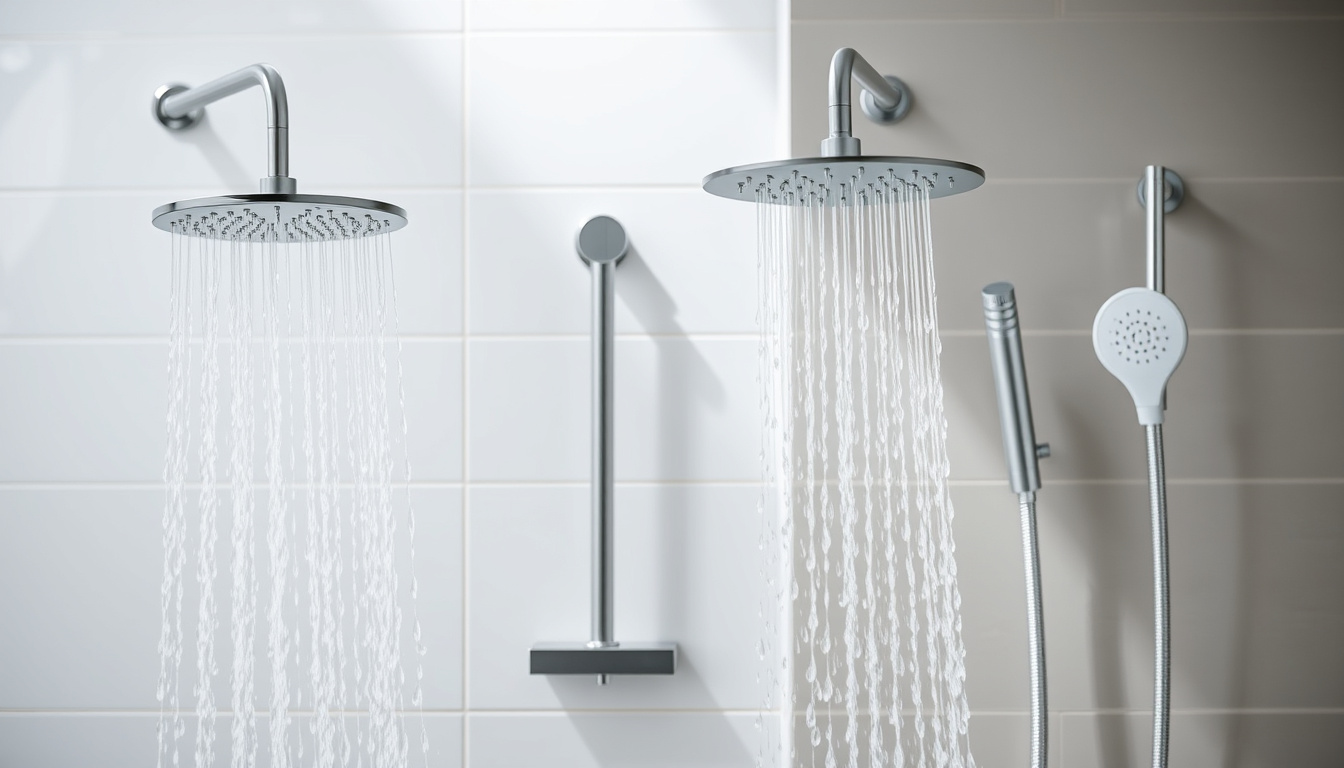
Common configurations (fixed, handheld, rainfall)
- Fixed: Permanent mount, simple design, typically lower cost (MyBuilder).
- Handheld: Flexible positioning, ideal for rinsing children or pets (Sweeten).
- Rainfall: Large overhead face that simulates natural rain, needs higher pressure (MyBuilder).
What this means: the configuration choice dictates how water hits you, how easy the unit is to clean, and whether you need a professional for installation.
How Long Do Showerheads Last?
Factors affecting lifespan
- Standard models last 5–10 years with proper maintenance (Sweeten).
- Hard water and mineral buildup can shorten lifespan; plastic models degrade faster than metal or brass (MyBuilder).
Signs it is time to replace
- Uneven spray, leaking, visible corrosion, or a drop in water pressure.
- If your head is older than 10 years, replacement is often simpler than repair.
Spending more on a brass or stainless‑steel head pays off over a decade, but plastic heads are cheaper upfront and easier to replace.
The implication: buying cheap plastic every five years may cost the same as one quality metal head that lasts ten.
What is the Best Head Shower?
Top-rated models by type
- Rainfall: Best for a spa experience; needs 2.0+ GPM (Sweeten).
- Handheld: Top pick for families and those with mobility challenges (MyBuilder).
- Filtered: Best for sensitive skin; look for replaceable carbon or KDF cartridges.
Key features to compare
- Flow rate (GPM or L/min), spray patterns, material, and filter type.
- Look for WaterSense (US) or equivalent efficiency labels to save water without sacrificing feel.
Five types, one pattern: the best head shower for you depends on water pressure, budget, and whether skin health is a priority.
Upsides of each type
- Fixed: reliable, low maintenance, affordable.
- Handheld: flexible, great for cleaning and pets.
- Rainfall: luxurious, even coverage.
- Filtered: reduces chlorine, helps sensitive skin.
Downsides
- Fixed: less versatile, hard to clean.
- Handheld: can be less sleek, hose may kink.
- Rainfall: requires higher pressure, may leave hair soapy.
- Filtered: ongoing filter cost, slight flow reduction.
The pattern: no single type wins across all dimensions — matching the head to your water pressure and lifestyle matters more than brand name.
Does a Shower Filter Help with Psoriasis?
How chlorine and minerals affect skin
- Chlorine can strip natural oils, aggravating psoriasis and eczema.
- Hard water minerals (calcium, magnesium) leave a residue that may irritate sensitive skin.
Research and expert opinions on filtered showers
- Dermatologists note that reducing chlorine can lower irritation, but no conclusive evidence shows filters cure psoriasis (American Academy of Dermatology).
- Many patients report subjective improvement; gentle water and moisturising routines remain the first line (CDC).
“We often recommend shower filters to patients with eczema or psoriasis to reduce chemical exposure, but they are not a standalone treatment.”
— Dermatologist, American Academy of Dermatology
For someone with psoriasis, a filtered shower head can be part of a broader skin‑care strategy, but it will not replace medical therapy.
The catch: a filter addresses one variable — chlorine — while psoriasis management typically requires a full dermatological plan.
Do You Need a Plumber to Install a Shower Head?
Step-by-step DIY installation
- Remove the old head by turning counterclockwise.
- Clean the pipe threads.
- Wrap Teflon thread seal tape around the threads (3–4 wraps clockwise).
- Screw on the new head by hand, then tighten gently with a wrench.
- Turn the water on and check for leaks.
When to call a professional
- If you need to alter pipework, replace a valve, or access behind a wall (Plumbing‑Heating‑Cooling Contractors Association).
- When installing a ceiling‑mounted rainfall head that requires overhead plumbing.
“Ninety percent of shower head replacements are simple enough for a homeowner. The exception is when the existing valve or pipe needs replacing.”
— Plumber, Plumbing‑Heating‑Cooling Contractors Association
While DIY saves money, overtightening can crack plastic heads. Use hand‑tightness plus a quarter turn.
What this means: most homeowners can handle this job, but knowing the limits prevents costly water damage.
Summary
Choosing a head shower involves balancing water pressure, durability, installation effort, and wellness needs. For most homeowners, a fixed or handheld model from a reputable brand will serve well for 5–10 years. If water quality or skin sensitivity is a concern, a filtered head adds moderate benefit. For anyone with low water pressure, the decision is clear: pick a head designed for flow optimization, or install a pressure‑boosting model — otherwise the luxury of a rainfall head will fall flat. A buyer who skips the spec sheet risks wasting money on a head that underperforms in their specific home setup.
sweeten.com, buildmat.com.au, lowes.com, theshowerheadstore.com, highsierrashowerheads.com, consumerreports.org, fergusonhome.com
For those exploring options, a complete shower head buying guide can help match specific needs to the right model and accessories.
Frequently asked questions
Can a high-pressure shower head save water?
Yes — many high‑pressure heads use aerating technology to increase feel while keeping flow under 2.0 GPM.
What is the difference between a rain shower head and a handheld?
Rainfall heads are large, fixed overhead; handheld heads are attached to a hose for flexible use.
Are shower heads universal size?
Most use a ½‑inch NPT thread (US) or G½ (EU), making them interchangeable without adapters.
How often should I replace my shower head?
Every 5–10 years, or sooner if you notice uneven spray, leaks, or reduced pressure.
Does a shower filter remove hard water minerals?
Basic filters (carbon, KDF) remove chlorine and sediment but not calcium or magnesium. For hard water, consider a whole‑house softener.
What is the best material for a durable shower head?
Solid brass or stainless steel offer the longest life; chrome‑plated ABS is budget‑friendly but less durable.
How do I clean mineral deposits from a shower head?
Soak the head in white vinegar overnight or use a commercial descaler.
Related stories





Priya Sharma leads fact-checking, source verification and corrections at BuzzLayer.